
Monica Ascencio
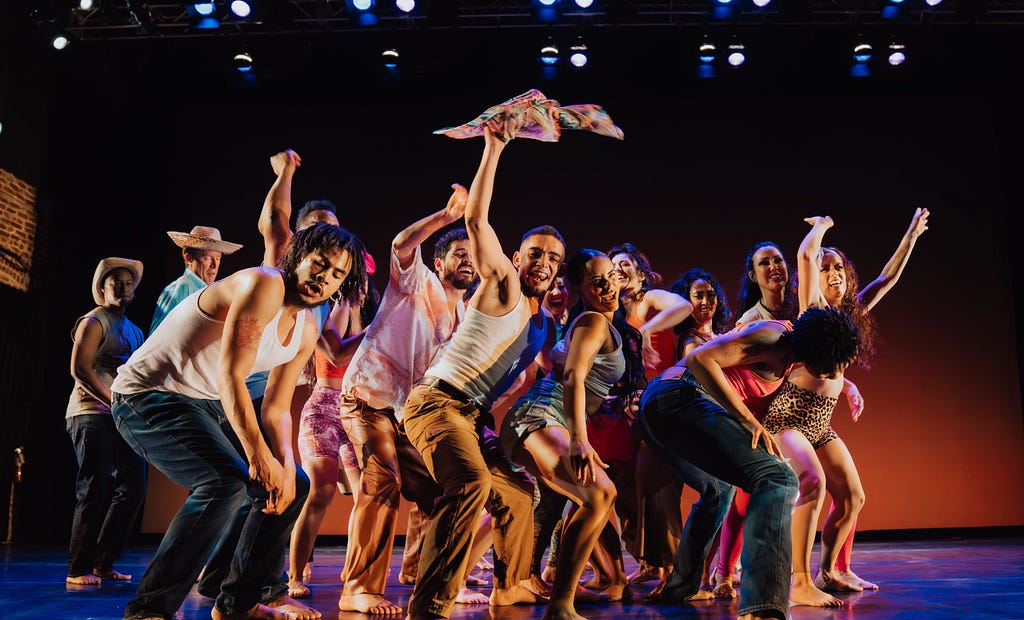
The 20th season of the CubaCaribe Festival of Dance & Music opened with more than performance — it arrived as a celebration of legacy, community, and cultural continuity. Steeped in the vibrant traditions of Afro-Caribbean dance and music, this year’s festival carried a heightened sense of purpose, marked by the announcement that it had received a certificate of honor from the city of San Francisco. The moment underscored the festival’s enduring impact on the city’s cultural landscape. Equally powerful was the tribute to John Santos. Together, these recognitions framed an opening that was as reflective as it was celebratory, setting the tone for a festival grounded in heritage, artistry, and collective memory.
Pasión Jarocha by Los Lupeños de San José was a vibrant and captivating representation of the rich rhythms and traditions of Veracruz, Mexico. The company’s execution of zapateado showcased remarkable precision and clarity, making the intricate footwork both fascinating and engaging to watch. One of the most striking moments of the performance was the entrance to “La Bruja,” where the female dancers moved gracefully across the stage while balancing candles atop their heads. This scene was especially radiant and deeply symbolic, the traditional element in Veracruz combines the mystical and the feminine power. Together, the mystical and the feminine form a symbolic language: they express resilience and identity, and they interpret them through powerful, often feminine, mythic lenses.
The performance also incorporated danzón, a dance form that arrived in Veracruz from Cuba in the late 19th century. Through thoughtful choreography, the company successfully conveyed the essence and elegance of this social dance. The partner work was particularly well-executed, illustrating a sense of connection, community, and shared celebration. Overall, Los Lupeños de San José delivered a powerful performance that honored the movement, memory, and enduring traditions of Mexican culture. Their work offered a vivid portrayal of rhythm, poetry, and communal joy, leaving a lasting impression on the audience.
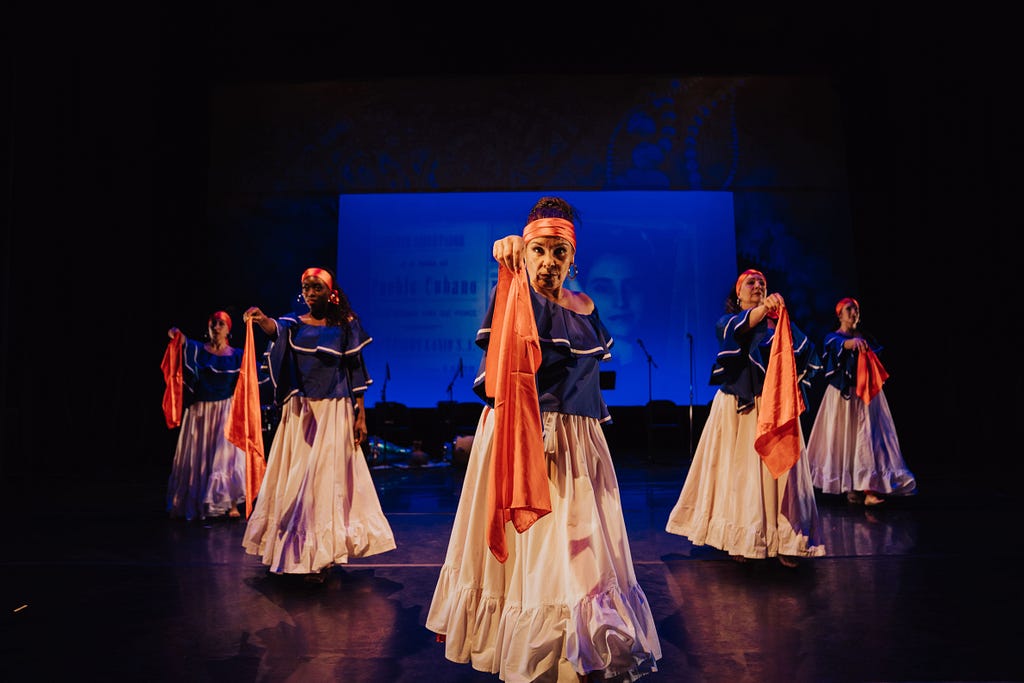
Arenas Dance Company’s Ome Iya Madre Ancestral, centered on Yemayá — the orisha mother of the ocean in the Regla de Ocha tradition — was a beautifully structured and immersive performance. The integration of Afro-Cuban folkloric rhythm, chanting, music, and devotional elements felt thoughtfully balanced throughout the piece. The musicality stood out immediately; both the drumming and singing were executed with precision and depth, sustaining an energetic and spiritual atmosphere from beginning to end. The costumes, especially the use of skirts, played a crucial role in shaping the visual language of the performance. Through skillful skirt work, the dancers embodied Yemayá’s dual nature — her nurturing, calm presence as well as her powerful, protective force capable of washing away struggle and restoring balance.
The choreography’s swirls and turns evoked a sense of wisdom, continuity, and steady presence, mirroring the rhythms of the ocean itself. Particularly striking was the stage presence of master teachers Susana Arenas and Francys Ramos, whose participation added a palpable ancestral resonance to the work.
One of the most compelling visual moments was the L-shaped formation featuring the two master teachers, surrounded by dancers executing rapid, fluid skirt movements. This formation vividly suggested the motion of ocean waves, creating a dynamic and mesmerizing effect that captured both the strength and grace associated with Yemayá. Overall, the piece was a captivating blend of technical skill, cultural expression, and spiritual storytelling.
The Duet: A Piece of White Cloth by Ramon Alayo Dance Company highlighted the performers’ impressive ability to balance on boxes while maintaining the integrity and fluidity of their movement. Throughout the piece, this physical control underscored the company’s strength and precision. Toward the end, a beautiful duet performed by Dominique Michelle and Marco Palomino captured the essence of connection. Their contemporary Afro-Cuban movement style conveyed both fierceness and sensitivity, blending power with a sense of purity. The duet ultimately evoked a feeling of healing energy, offering a meaningful and emotionally resonant conclusion to the work.
Monica Ascencio is from San Francisco. She is an active dancer and performer of Brazilian, Latin, and Spanish dance. Her passion for dance and serving the community through the arts is what brought her to ODC, where she has worked since 2013. She hopes to keep inspiring people to dance as an ODC staff member and a Latina dancer in the Bay Area.
CubaCaribe Festival Celebrates Legacy, Community & Continuity was originally published in ODC.dance.stories on Medium, where people are continuing the conversation by highlighting and responding to this story.